Skip to content

Precision Highlights

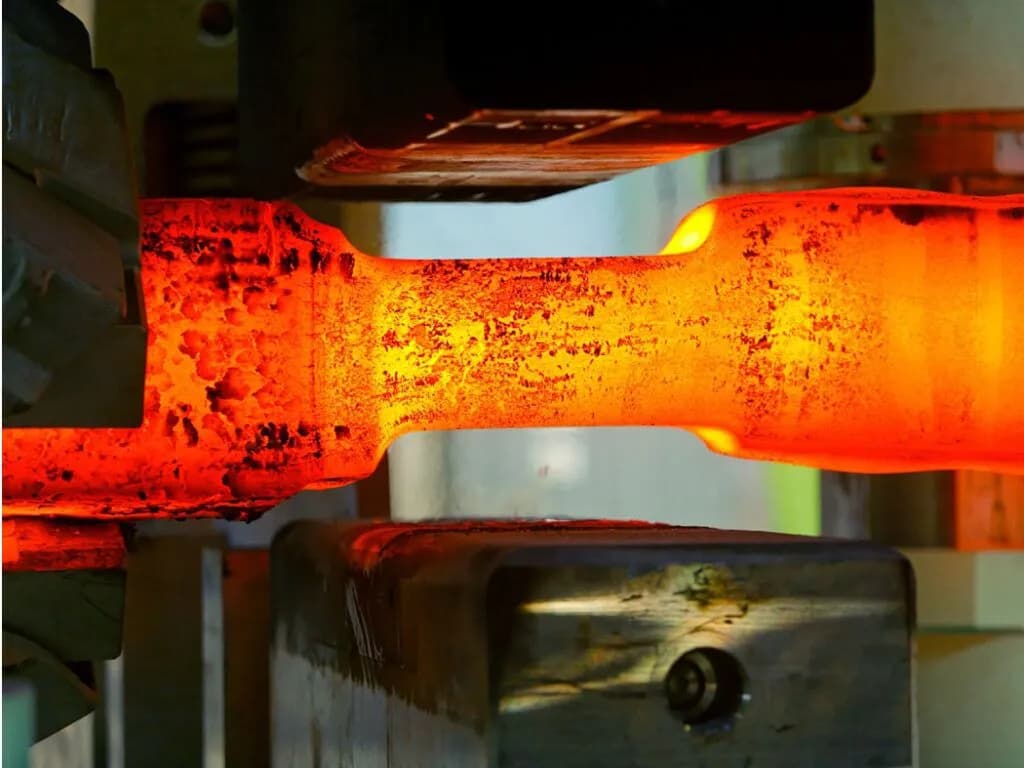
Open-Die Forging
For large, custom parts
Closed-Die Forging
High-precision for complex shapes
Cold Forging
Volume production with excellent finish
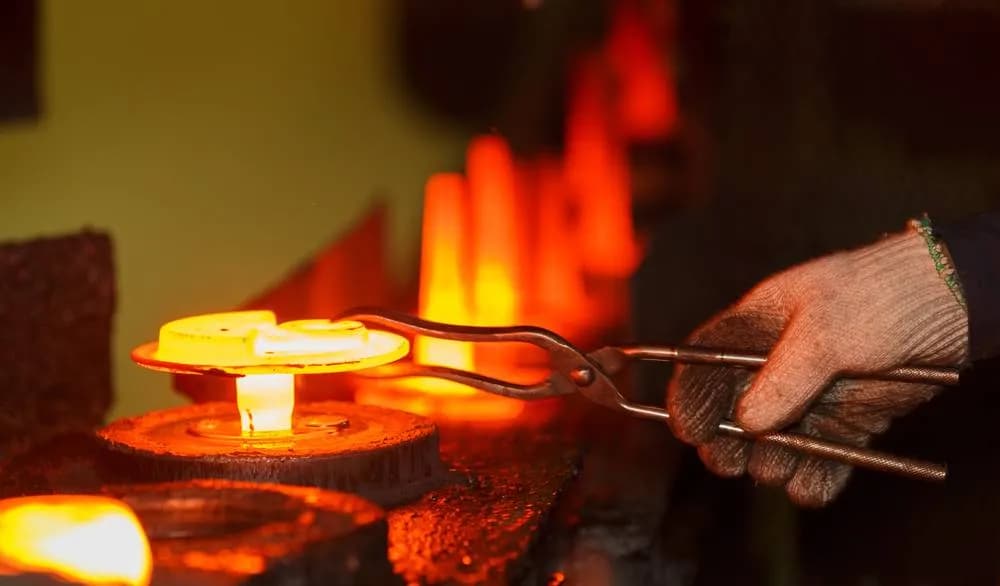
Hot/Drop Forging
Enhanced ductility & reduced machining

Capacity & Equipment

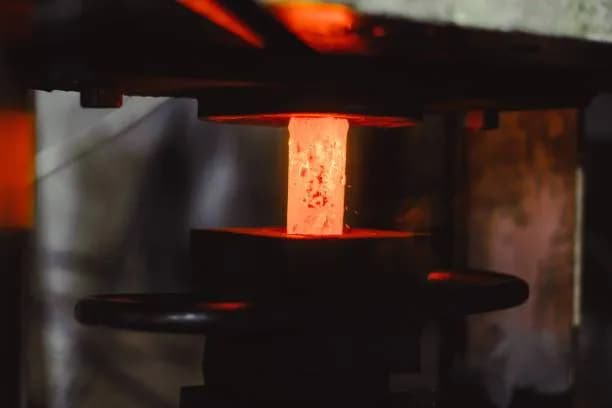
  • Hydraulic & mechanical presses (up to 1300 tons)
  • Drop hammers (up to 1.5 tons)
  • Power hammers & automated handling systems
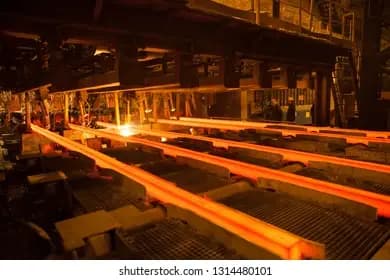
  • Induction heating for controlled forging
Capacity & Equipment

Our Capabilities

Materials

Carbon Steel, Alloy & Stainless Steel, Aluminium, Zinc, Brass, Nickel Alloys, and more

Component Weights

10 g – 15 kg

Frequently Asked Questions

What does the XINDUX Forging service cover?

It covers robust industrial components for automotive, energy, construction and heavy engineering, with a project setup focused on industrial quality, manufacturability and reliable delivery.

Which processes are available?

The service includes open-die forging, closed-die forging, roll forging, drop forging, hot forging and cold forging.

Which technical capacity data is most relevant?

Key listed capability data: component weights from approx. 10 g to 15 kg, hydraulic and mechanical presses up to 1300 tons and drop hammers up to 1.5 tons.

Which equipment or infrastructure supports the service?

Relevant infrastructure includes hydraulic presses, mechanical presses, drop hammers, power hammers, automated handling systems and induction heating.

Which materials can be processed?

Typical materials include carbon steel, alloy steel, stainless steel, aluminium, zinc, brass, nickel alloys and more.

When is this service the best technical choice?

It is strongest for high-load parts requiring strength, ductility, impact resistance, fatigue performance and reduced machining effort.

How does this service support cost-efficient production?

Cost is optimized by matching the process to geometry, quantity, tolerance, material behavior and required post-processing before release.

How does XINDUX reduce engineering risk?

Risk is reduced through early design review, process selection, tolerance review, tooling/manufacturing planning and alignment of inspection requirements.

Can XINDUX support DFM or process consulting?

Yes. Design-for-manufacturability review can identify geometry risks, avoid unnecessary tolerance cost and improve first-pass production quality.

Can prototypes and serial production both be supported?

Yes. The service setup supports early prototypes, validation batches and scalable production, depending on process and tooling route.

How is quality controlled?

Quality control can include grain-flow-oriented production, dimensional inspection, surface reporting and optional finishing verification.

Can post-processing be included?

Yes. Available post-processing or delivery options include heat/process planning, coating, welding-ready delivery and fully finished parts depending on project scope.

Can parts be delivered assembly-ready?

Yes. Depending on the project, parts can be supplied post-processed, inspected, coated, machined, welding-ready or ready for final assembly.

How does this service help purchasing teams?

It reduces supplier fragmentation by combining technical process knowledge, production capability and finishing/inspection options under one coordinated supply chain.

How does this service help engineering teams?

Engineering teams receive clearer process boundaries, manufacturability feedback, CAD/CAM or tooling input and a more realistic path from drawing to production.

What should be clarified before quotation?

Material grade, annual quantity, tolerance class, critical dimensions, surface finish, test requirements, delivery condition and target application should be clarified.

Which files should be supplied for a quotation?

STEP or native 3D data, 2D PDF drawings, material specifications, quantities, finish requirements and inspection standards should be provided.

How can lifecycle cost be reduced?

Lifecycle cost is reduced by selecting the right process early, avoiding over-tolerancing, planning finishing correctly and reducing rework between suppliers.

Can the service be combined with other XINDUX capabilities?

Yes. It can be combined with machining, surface treatment, tooling, casting, forging, sheet metal fabrication or assembly, depending on the component route.

What is the main sales value for OEM customers?

OEMs gain a technically guided manufacturing route with fewer interfaces, better process compatibility, stronger quality control and faster movement from concept to delivery.