
Casting Methods
High/low pressure, sand, gravity & investment casting
XINDUX offers expert die casting and forging services to produce strong, durable metal components with excellent mechanical properties. Our advanced processes ensure precision, high-quality finishes, and consistent performance for demanding industrial applications.
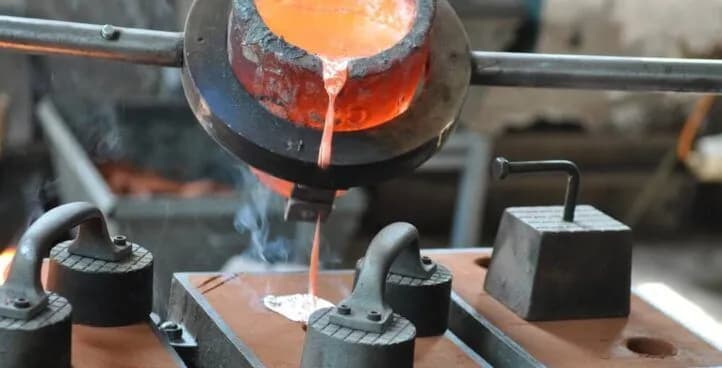
Our comprehensive casting and forging capabilities cover a wide range of processes and materials, from high and low-pressure casting to heavy forging presses. We ensure superior quality with thorough post-processing including trimming, blasting, and heat treatment for durable, precision components.
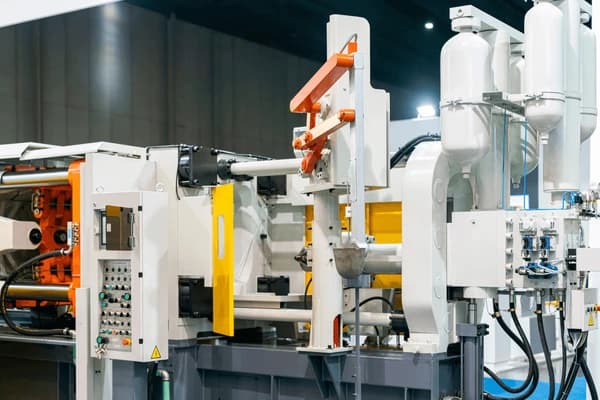
We provide expert process consulting to optimize part design and casting methods, ensuring superior quality and efficiency. Our services include mechanical testing, structural validation, and delivering post-machined, assembly-ready components.
Process consulting for part design and casting method
Mechanical testing and structural validation
Post-machining and assembly-ready formats
It covers combined die casting and forging supply for durable OEM components, with a project setup focused on industrial quality, manufacturability and reliable delivery.
The service includes high-pressure casting, low-pressure casting, sand casting, gravity casting, investment casting and forging.
Key listed capability data: forging from approx. 10 g to 15 kg, press capacity up to 1300 tons and casting routes selected by geometry, alloy and volume.
Relevant infrastructure includes automated foundry equipment, induction melting, forging presses and post-processing systems.
Typical materials include aluminium, zinc, brass, steel alloys and further project-specific material grades.
It is strongest for projects where the customer must compare casting and forging routes before committing tooling and serial production investment.
Cost is optimized by matching the process to geometry, quantity, tolerance, material behavior and required post-processing before release.
Risk is reduced through early design review, process selection, tolerance review, tooling/manufacturing planning and alignment of inspection requirements.
Yes. Design-for-manufacturability review can identify geometry risks, avoid unnecessary tolerance cost and improve first-pass production quality.
Yes. The service setup supports early prototypes, validation batches and scalable production, depending on process and tooling route.
Quality control can include ISO 8062-4 tolerance management, component traceability, batch control, mechanical testing and structural validation.
Yes. Available post-processing or delivery options include trimming, blasting, heat treatment, post-machining and assembly-ready formats.
Yes. Depending on the project, parts can be supplied post-processed, inspected, coated, machined, welding-ready or ready for final assembly.
It reduces supplier fragmentation by combining technical process knowledge, production capability and finishing/inspection options under one coordinated supply chain.
Engineering teams receive clearer process boundaries, manufacturability feedback, CAD/CAM or tooling input and a more realistic path from drawing to production.
Material grade, annual quantity, tolerance class, critical dimensions, surface finish, test requirements, delivery condition and target application should be clarified.
STEP or native 3D data, 2D PDF drawings, material specifications, quantities, finish requirements and inspection standards should be provided.
Lifecycle cost is reduced by selecting the right process early, avoiding over-tolerancing, planning finishing correctly and reducing rework between suppliers.
Yes. It can be combined with machining, surface treatment, tooling, casting, forging, sheet metal fabrication or assembly, depending on the component route.
OEMs gain a technically guided manufacturing route with fewer interfaces, better process compatibility, stronger quality control and faster movement from concept to delivery.