
Drawing & Geometry
Send drawings or 3D data with the relevant component details.
At XINDUX, we bring your ideas to life with comprehensive casting solutions tailored to your exact requirements. Whether it’s intricate detail, a wide variety of metals, or large-scale production, our deep expertise ensures precision and reliability. With robust tooling design and specialized machinery, we confidently manage custom casting needs with accuracy and efficiency.
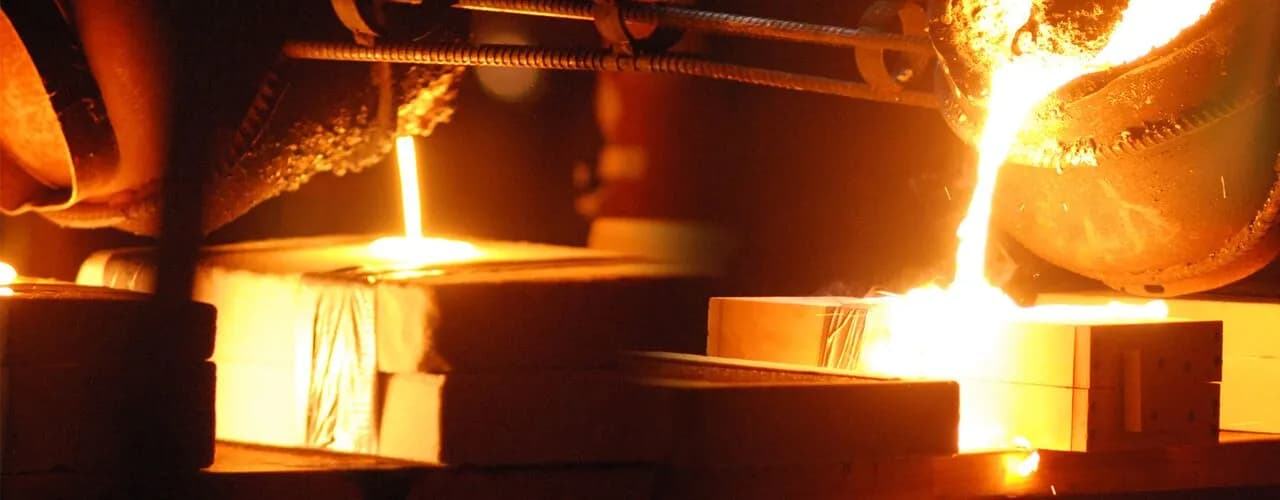
Share the drawings and requirements for your casting project. We will discuss the process and scope of supply with you for that project.
We offer a wide range of casting processes tailored to meet diverse manufacturing needs, delivering high-quality components with precision, consistency, and cost-efficiency.
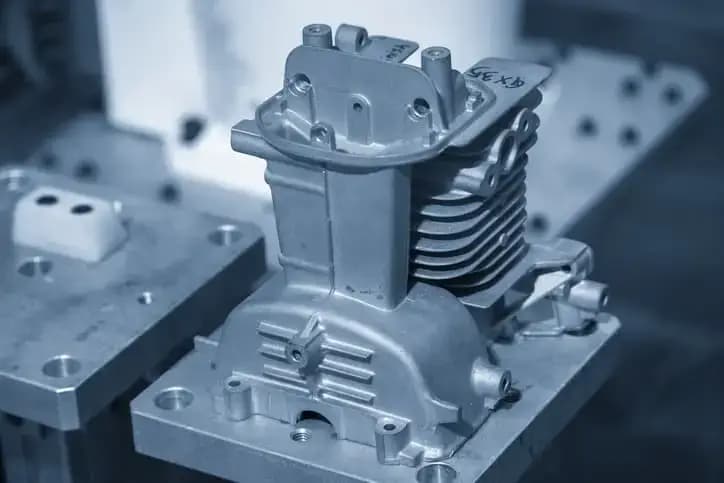
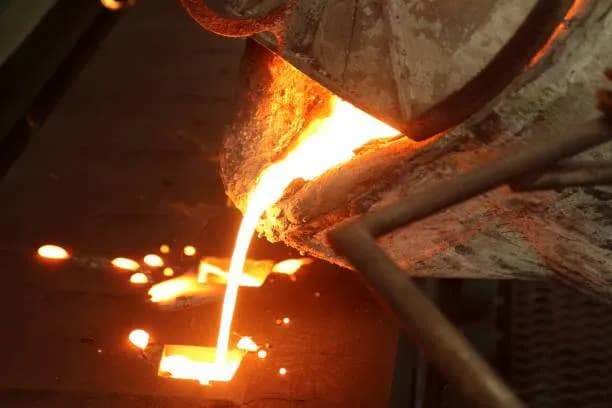
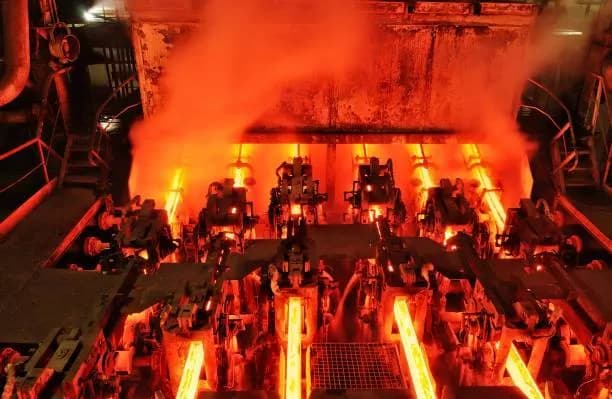
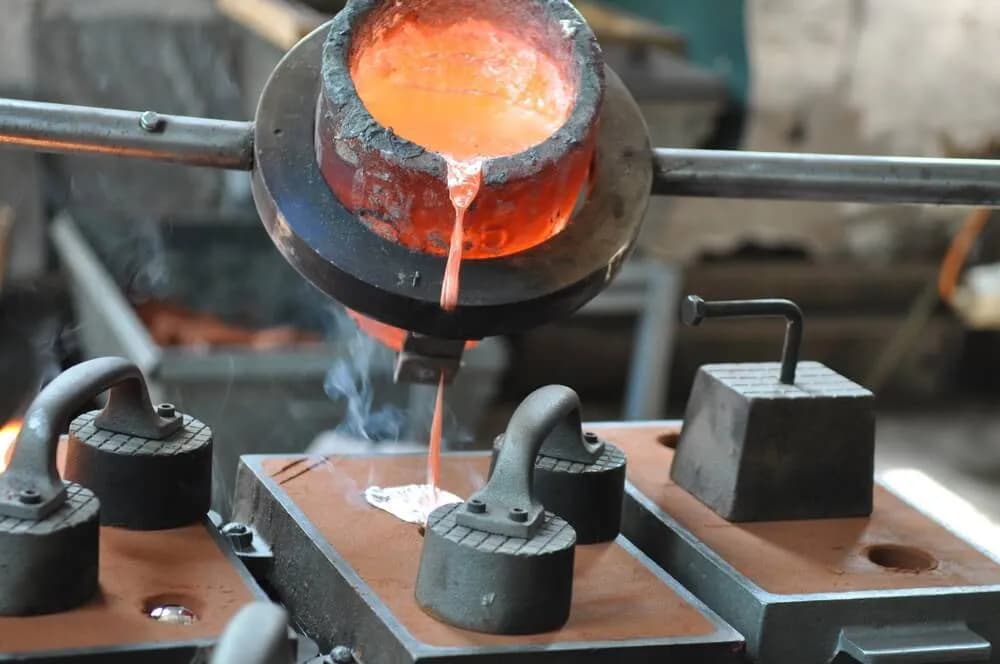
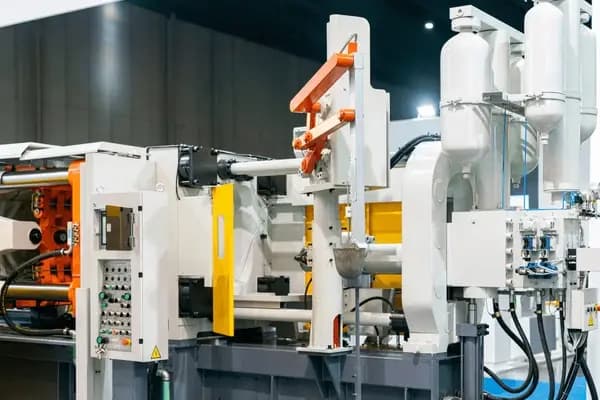
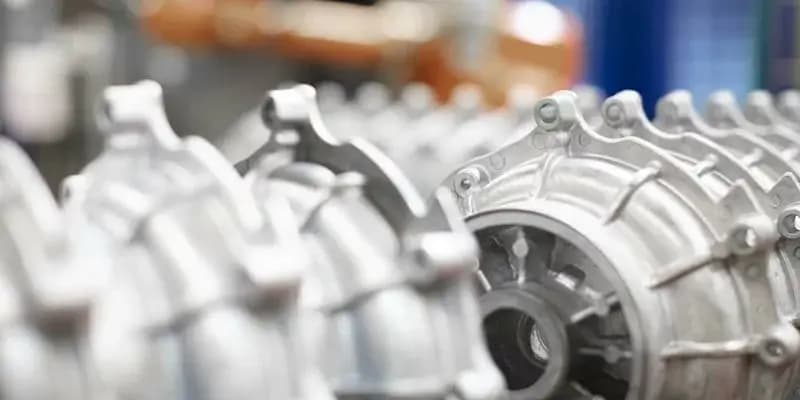
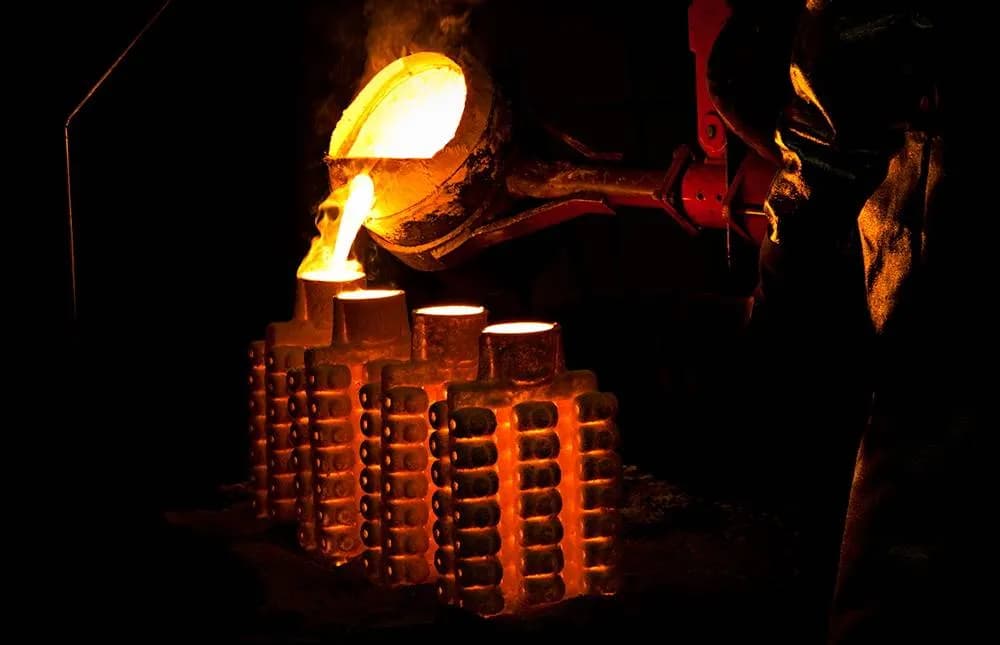
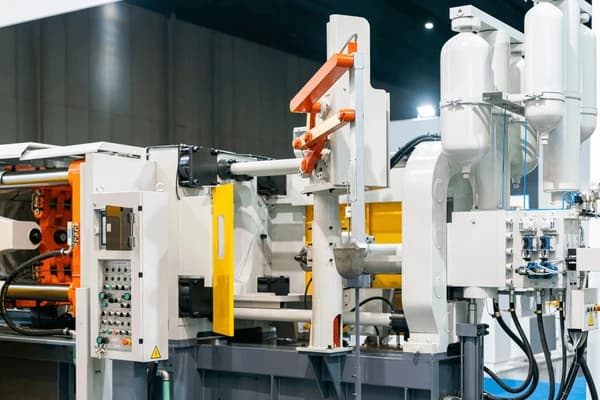
We ensure end-to-end quality with optional finishing layer verification and detailed surface reports. Custom coatings and welding-ready parts provided to meet environmental and assembly requirements.
Finishing layer verification & surface reporting
Custom coating for environmental compliance
Welding-ready or fully finished parts
It covers industrial cast parts, fixtures and mold-related components, with a project setup focused on industrial quality, manufacturability and reliable delivery.
The service includes high-pressure die casting, low-pressure die casting, sand casting, gravity die casting, continuous casting and investment casting.
Key listed capability data: HPDC approx. 0.26-5.5 kg, LPDC approx. 0.35-8.0 kg, sand/gravity approx. 0.2-200 kg and investment casting approx. 0.05-60 kg with about 3-5 mm minimum thickness.
Relevant infrastructure includes 80-800 MT die casting machines, induction furnaces up to 300 kg crucibles, automated foundries, wax injection presses, ovens, dehumidifiers and PLC shell core shooting machines.
Typical materials include aluminium, zinc, steel, copper, brass and additional project-specific alloys.
It is strongest for complex industrial components where process choice, tooling design and scalable casting cost must be balanced.
Cost is optimized by matching the process to geometry, quantity, tolerance, material behavior and required post-processing before release.
Risk is reduced through early design review, process selection, tolerance review, tooling/manufacturing planning and alignment of inspection requirements.
Yes. Design-for-manufacturability review can identify geometry risks, avoid unnecessary tolerance cost and improve first-pass production quality.
Yes. The service setup supports early prototypes, validation batches and scalable production, depending on process and tooling route.
Quality control can include ISO 8062-4:2017 dimensional tolerance logic, finishing layer verification, surface reports and controlled secondary processing.
Yes. Available post-processing or delivery options include trimming, linishing, vibro finishing, drying, shot blasting, coating and welding-ready or fully finished delivery.
Yes. Depending on the project, parts can be supplied post-processed, inspected, coated, machined, welding-ready or ready for final assembly.
It reduces supplier fragmentation by combining technical process knowledge, production capability and finishing/inspection options under one coordinated supply chain.
Engineering teams receive clearer process boundaries, manufacturability feedback, CAD/CAM or tooling input and a more realistic path from drawing to production.
Material grade, annual quantity, tolerance class, critical dimensions, surface finish, test requirements, delivery condition and target application should be clarified.
STEP or native 3D data, 2D PDF drawings, material specifications, quantities, finish requirements and inspection standards should be provided.
Lifecycle cost is reduced by selecting the right process early, avoiding over-tolerancing, planning finishing correctly and reducing rework between suppliers.
Yes. It can be combined with machining, surface treatment, tooling, casting, forging, sheet metal fabrication or assembly, depending on the component route.
OEMs gain a technically guided manufacturing route with fewer interfaces, better process compatibility, stronger quality control and faster movement from concept to delivery.
Let's talk about your industry-specific requirements.